MGW was one of the first LGBT newspapers in Sacramento County

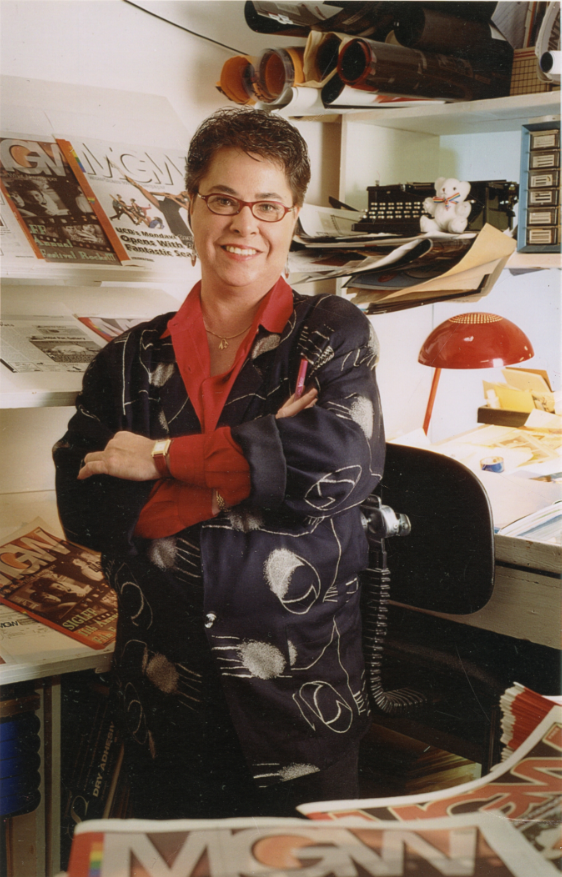
Linda Birner's early vision to inform and unify Sacramento's LGBT community

The newspaper was published from the 1970s through the early 2020s

Images courtesy of the Center for Sacramento History, Linda Birner Mom Guess What collection, MS0138
This Month's Highlight of California Collections
Courtesy of
The Center for Sacramento History
Linda Birner Mom Guess What collection
Image courtesy of The Center for Sacramento History, Linda Birner Mom Guess What collection
These photographs document the founder of Mom Guess What (MGW) newspaper, Linda Birner’s, interest in providing information to the LGBT community in Sacramento during the 1970s through the early 2020s.
Born in Fort Wayne, Indiana, on January 21, 1949, Birner came to Sacramento in 1962 when her father took a position with Aerojet. She graduated from Mira Loma High School and California State University, Sacramento, with degrees in journalism and psychology.
Under the mentorship of the editor of the Sacramento Bee, C.K. McClatchy, Birner founded one of the first LGBT newspapers in Sacramento County in November of 1978. Named after a popular coming out phrase, Mom…Guess What!, the newspaper was created in response to Proposition 6 sponsored by State Senator John Briggs. A distressing time for the gay and lesbian community, Proposition 6 was a California ballot measure that proposed to ban gay and lesbian people as well as their supporters from teaching in public schools. On November 7, 1978, Californians voted down the measure. The MGW newspaper went to press to advocate against this measure and continued to be a place for LGBT folks to learn their community news and help educate heterosexual people for many years. Birner passed away in 2024.
The Center for Sacramento History’s Linda Birner Mom Guess What collection contains newspaper publications, personal papers, artifacts, media, correspondence, and photographic material relating to MGW and Birner’s interactions with the Sacramento LGBT community. The finding aid is accessible through the Online Archive of California: oac.cdlib.org.