
Californian of the Month
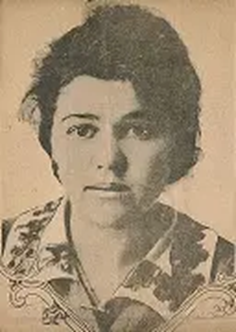
ESTO BROUGHTON
Photo courtesy of the California History Room, California State Library, Sacramento / Public Domain
ESTO BROUGHTON
Esto Broughton of Modesto was one of the first four women elected to the State Assembly in 1918, at the age of 28. She was re-elected three times.
At a young age, she had contracted spinal tuberculosis and nearly died. The disease left her with severe curvature of the spine and one leg that was shorter than the other.
She stopped growing at four-feet, six inches.
She excelled at the University of California (Berkeley) and practiced law before her election to the Legislature. Immediately, she became the Assembly’s expert on irrigation.
She coauthored legislation that allowed irrigation districts to develop electric power in connection with irrigation projects.
In 1919, Broughton also took the lead in establishing a gender-equity measure that gave either spouse the right to community property. She shepherded the bill through the Legislature and secured the signature of Gov. William Stephens. A year later, however, state voters overturned the law.
Undeterred, Broughton pushed an identical measure through the legislature in 1923. This time, a referendum to nullify the measure failed to qualify for the statewide ballot.
She also championed legislation on consumer protection and jobs for World War I veterans.